

Running gambling operations across different countries brings unique banking challenges that most business owners don’t face. Traditional bank accounts often struggle with international gambling transactions, expensive currency conversions, and complex regulatory requirements that vary by region.
Multi-currency accounts designed for gambling businesses allow operators to hold, receive, and send payments in multiple currencies without costly conversions, while meeting compliance requirements across different jurisdictions. These specialized accounts solve the problem of managing payments from players in various countries and handling affiliate commissions in different currencies.
Understanding which providers offer the best features, lowest fees, and strongest compliance support can make the difference between smooth operations and costly payment headaches. The right multi-currency setup helps gambling businesses expand globally while managing risks and keeping transaction costs under control.
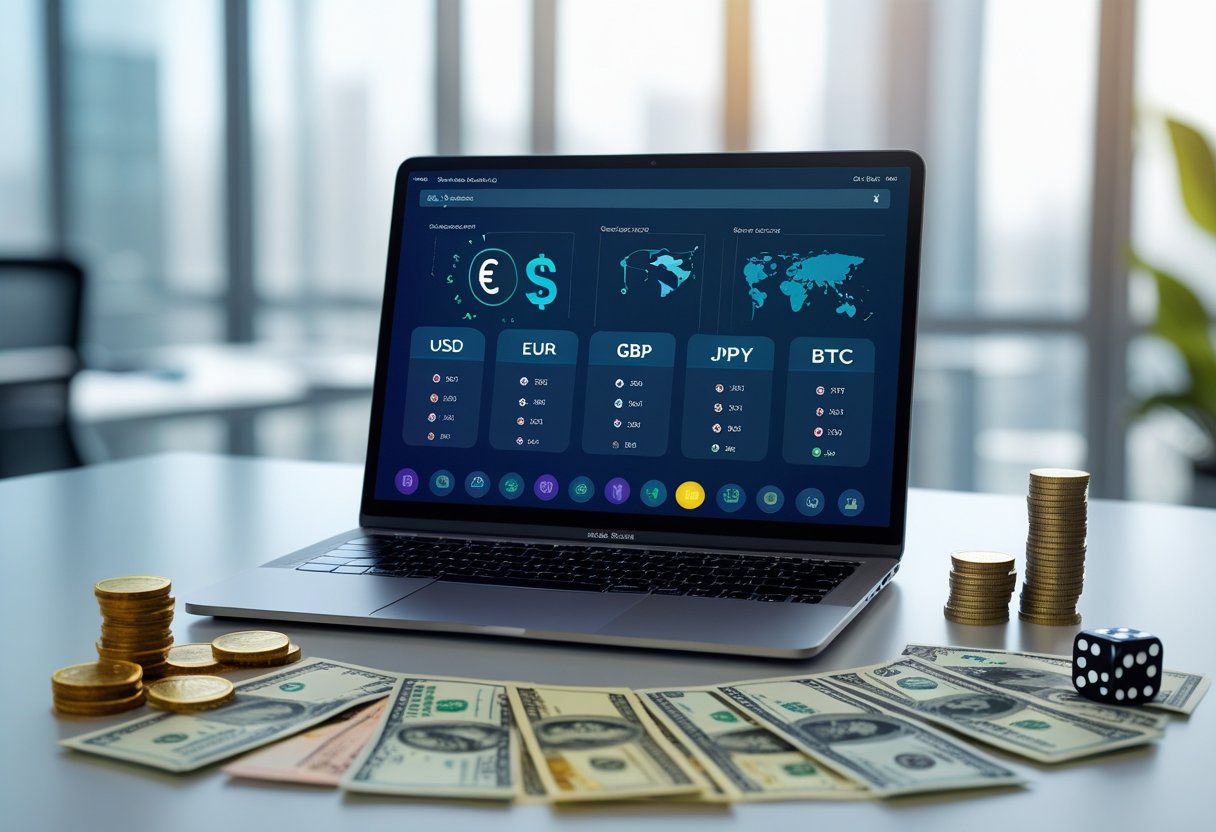
Overview of Multi-Currency Accounts for Gambling
Multi-currency accounts provide gambling operators with the ability to hold and process multiple currencies in a single account, eliminating conversion fees and reducing transaction complexity. These specialized banking solutions address the unique challenges that online gambling and iGaming businesses face when serving international customers.
What Is a Multi-Currency Account?
A multi-currency account allows businesses to hold, send, and receive money in multiple currencies within one account. Unlike traditional bank accounts that convert all funds to a base currency, these accounts maintain separate balances for each currency.
Gaming businesses can keep funds in US dollars, euros, British pounds, and other currencies without automatic conversion. This eliminates the need to open separate accounts in different countries.
The account holder can switch between currencies at real exchange rates. They avoid the high conversion fees that traditional banks typically charge for international transactions.
Multi-currency accounts offer specialized features for gambling operators. These include localized currency processing and local BIN routing that can bypass certain international restrictions.
Benefits for Online Gambling
Online gambling operators gain significant advantages from multi-currency accounts. The primary benefit is reduced transaction costs since funds stay in their original currency until conversion is necessary.
Customer experience improves when players can deposit and withdraw in their local currency. This eliminates confusion about exchange rates and unexpected conversion fees.
Multi-currency accounts help gaming businesses expand into new markets more easily. They can accept payments in local currencies without establishing banking relationships in each country.
Risk management becomes more effective with these accounts. Operators can hold funds in stable currencies during volatile periods and convert when rates are favorable.
Payment processing success rates increase when transactions occur in local currencies. This reduces declines and chargebacks that commonly happen with currency conversions.
How Gambling Transactions Differ from Standard Usage
Gaming bank accounts face unique challenges that standard multi-currency accounts may not address. Many countries restrict gambling MCCs (Merchant Category Codes) for foreign processors.
High-risk classification means gambling businesses need specialized payment solutions. Standard banks often decline to provide services to iGaming companies due to regulatory concerns.
Transaction volumes in gambling are typically much higher than regular businesses. Gaming operators process thousands of deposits and withdrawals daily across multiple currencies.
Compliance requirements are more complex for gambling transactions. Multi-currency accounts for gaming must include fraud protection and anti-money laundering features.
Specialized providers like Worldpay offer tailored solutions for gambling operators. These services include higher transaction success rates and enhanced security features designed for the gaming industry.
Gaming businesses also require offshore banking partners to serve international markets effectively. Standard multi-currency accounts rarely provide this level of global banking access.

Key Features of Multi-Currency Gambling Accounts
Multi-currency gambling accounts offer specialized features that handle international transactions, support various global currencies, and provide flexible withdrawal methods. These accounts include advanced payment processing systems and dedicated debit card services for worldwide access.
Multi-Currency Support and Currency Management
Multi-currency gambling accounts accept payments in multiple currencies without requiring conversion at the time of deposit. Common supported currencies include USD, EUR, GBP, AED, and INR.
Players can maintain separate balances for each currency within a single account. This eliminates conversion fees and allows users to keep funds in their preferred currency.
Local receiving accounts enable operators to collect payments from specific regions more efficiently. These accounts reduce transaction costs and improve processing speeds for international players.
Currency management tools allow automatic conversion between supported currencies when needed. Players can set preferred currencies for deposits, withdrawals, and gameplay.
Some accounts offer real-time exchange rate updates to help players make informed decisions about currency conversions. This feature helps minimize losses from unfavorable exchange rates.
Payment Processing and Integration
Multi-currency accounts support major payment methods including Visa, Mastercard, and international card networks. Payment integrations connect directly with gambling platforms through secure APIs.
Smart payment routing improves transaction approval rates across different regions. This technology automatically selects the best payment processor based on the player’s location and currency.
Payment processing includes features like 3D Secure authentication, AVS verification, and CVV checking for enhanced security. These tools reduce fraud and protect both operators and players.
Recurring billing capabilities support subscription models and loyalty programs. Players can set up automatic deposits in their chosen currency without manual intervention each time.
Chargeback protection tools like Verifi and Ethoca help operators manage disputes and reduce financial losses from reversed transactions.
Debit Card and ATM Withdrawal Options
Multi-currency accounts typically include debit card services that allow players to access their funds worldwide. These cards support multiple currencies and automatic conversion at competitive rates.
ATM withdrawals are available in over 200 countries through major banking networks. Players can withdraw funds in local currencies without carrying multiple cards or accounts.
Daily and monthly withdrawal limits vary by account type and player verification level. Most providers offer limits ranging from $500 to $10,000 per day for ATM transactions.
Online banking features allow players to transfer funds between currencies, check balances, and manage their accounts remotely. Mobile apps provide 24/7 access to account management tools.
Some providers offer premium debit cards with higher limits, reduced fees, and additional benefits like travel insurance or airport lounge access for high-volume players.

International Transactions and Payment Systems
Gambling operators rely on several key payment systems to handle international transactions across different currencies and regions. These systems include traditional bank transfers, automated clearing networks, and standardized identification codes that enable secure cross-border payments.
SWIFT and SEPA Transfers
SWIFT (Society for Worldwide Interbank Financial Telecommunication) serves as the primary network for international wire transfers in the gambling industry. Banks use SWIFT codes to identify each other when processing cross-border transactions for casino operators.
SWIFT transfers typically take 1-5 business days to complete. They work in most countries worldwide but come with higher fees ranging from $15-50 per transaction.
SEPA (Single Euro Payments Area) offers faster and cheaper transfers within Europe. SEPA transfers usually complete within one business day and cost under €1.
Key differences between the systems:
| System | Coverage | Speed | Cost |
|---|---|---|---|
| SWIFT | Worldwide | 1-5 days | $15-50 |
| SEPA | EU/EEA only | Same day | Under €1 |
Many gambling businesses use SEPA for European operations and SWIFT for global transactions.
ACH and EFT Payments
ACH (Automated Clearing House) processes electronic payments within the United States. Gambling operators use ACH for domestic transactions, including player deposits and withdrawals.
ACH payments cost less than wire transfers, typically under $1 per transaction. They take 1-3 business days to settle.
EFT (Electronic Funds Transfer) covers all types of electronic money movement. This includes ACH, wire transfers, and card payments.
EFT systems vary by country. Canada uses Interac, while Australia operates the Bulk Electronic Clearing System (BECS).
Gambling businesses often combine multiple EFT methods. They use ACH for US players, Interac for Canadian customers, and local clearing systems for other regions.
IBAN and BIC Codes for Gambling Accounts
IBAN (International Bank Account Number) provides a standard format for identifying bank accounts across countries. Gambling operators need IBANs to receive international transfers and manage multi-currency accounts.
Each IBAN contains up to 34 characters including country code, check digits, bank identifier, and account number. For example, a UK IBAN starts with “GB” followed by numerical codes.
BIC (Bank Identifier Code) works alongside IBANs to identify specific banks. BIC codes contain 8-11 characters showing bank, country, location, and branch information.
Multi-currency IBANs allow gambling companies to hold different currencies in separate account segments. This reduces conversion fees and processing delays for international transactions.
Many payment processors now offer virtual IBANs specifically for gambling businesses. These accounts support multiple currencies while maintaining compliance with banking regulations in different countries.
Top Multi-Currency Account Providers for Gambling
Several providers offer multi-currency accounts with features that benefit gambling users, including competitive exchange rates, global access, and flexible currency management. Each platform has unique advantages for different types of gambling activities and payment needs.
Wise: Transparent Exchange Rates and International Access
Wise offers some of the most competitive exchange rates in the multi-currency account market. The platform uses real exchange rates without hidden markups, which saves money on currency conversions.
Users can hold over 50 currencies in a single account. This feature helps gambling users who participate in international sites or receive payments from different countries.
Key Features:
- Real exchange rates with transparent fees
- Free ATM withdrawals up to monthly limits
- Interest payments on account balances
- Debit card for global spending
Wise provides local bank details for major currencies like USD, EUR, and GBP. This allows users to receive payments as if they have local bank accounts in those countries.
The platform works well for gambling affiliates who receive commissions from international operators. Fast transfers and low fees make it cost-effective for regular transactions.
Revolut: Flexible Currency Management for Gamblers
Revolut offers advanced currency management tools through its mobile app. Users can exchange currencies instantly and set up automatic exchanges when rates hit target levels.
The platform supports over 30 currencies with fee-free exchanges up to monthly limits. Premium plans offer higher limits and additional features.
Revolut Plans:
- Standard: Free plan with basic features
- Premium: Enhanced limits and travel insurance
- Metal: Highest limits and cashback rewards
Revolut’s spending analytics help users track gambling-related expenses across different currencies. The app categorizes transactions automatically and provides detailed spending reports.
The virtual and physical cards work globally with competitive foreign exchange rates. This makes it useful for traveling to gambling destinations or making international online payments.
Payoneer: Solutions for Freelancers and Affiliates
Payoneer specializes in serving online businesses and freelancers, including gambling affiliates. The platform excels at receiving payments from companies worldwide.
Users can receive payments in local currencies from over 200 countries. Payoneer provides local receiving accounts in major markets like the US, UK, and EU.
Payment Options:
- Direct bank transfers
- Payoneer prepaid card
- Local bank details for major currencies
- Online wallet functionality
The platform integrates with many affiliate networks and online marketplaces. This makes it popular among gambling affiliates who work with multiple operators.
Payoneer charges competitive fees for currency conversion and transfers. The prepaid card allows ATM withdrawals and online purchases in multiple currencies.
Other Leading Providers (Monzo, Airwallex, PayPal, Amazon)
Monzo offers multi-currency features primarily for UK residents. The digital bank provides fee-free spending abroad and competitive exchange rates for everyday transactions.
Airwallex targets businesses with global payment needs. It offers wholesale exchange rates and supports over 130 currencies, making it suitable for gambling operators rather than individual users.
PayPal remains widely accepted for online gambling transactions. While not a traditional multi-currency account, it handles currency conversion automatically and offers buyer protection.
Amazon Currency Converter provides multi-currency functionality for Amazon services. This has limited application for gambling but can be useful for purchasing gambling-related products internationally.
Each provider serves different needs within the gambling ecosystem. Monzo works for casual international gambling, while Airwallex suits business-level operations.
Cost Structure: Fees and Exchange Rates
Multi-currency gambling accounts involve several types of costs that players need to understand. These include transfer fees, currency conversion charges, exchange rate markups, and various hidden costs that can impact the total expense of international gambling transactions.
Transfer Fees and Account Charges
Transfer fees represent one of the primary costs when moving money into or out of multi-currency gambling accounts. Most providers charge between 0.35% to 2% for international transfers.
Account maintenance fees vary significantly between providers. Some charge monthly fees ranging from $5 to $25, while others offer fee-free accounts with minimum balance requirements.
Common transfer fee structures:
- Incoming transfers: $0-15 per transaction
- Outgoing transfers: $10-50 per transaction
- Same-currency transfers: Often free or minimal fees
Many gambling-focused account providers waive transfer fees for deposits above certain thresholds. This benefits high-volume players who make frequent transactions.
Wire transfer fees tend to be higher than electronic transfer methods. Players can often save money by choosing ACH transfers or digital payment methods instead of traditional wire transfers.
Currency Conversion and Exchange Rate Markup
Currency conversion costs occur when players exchange one currency for another within their account. The mid-market rate serves as the baseline for all currency exchanges.
Most providers add a markup of 0.5% to 4% above the mid-market rate. This markup represents their profit on currency conversion transactions.
Exchange rate markup ranges by provider type:
- Traditional banks: 2-4% markup
- Digital payment providers: 0.5-2% markup
- Specialized multi-currency accounts: 0.35-1.5% markup
Real-time exchange rates fluctuate throughout the day. Some providers offer rate locks that allow players to secure favorable rates for future transactions.
Players who time their conversions during favorable market conditions can reduce their overall costs. However, this requires monitoring exchange rate movements and market knowledge.
Foreign Transaction Fees and Hidden Costs
Foreign transaction fees apply when players use cards or accounts for gambling transactions in different currencies. These fees typically range from 1% to 3% per transaction.
Hidden costs often appear as processing fees, intermediary bank charges, or currency corridor fees. These can add $10-30 to each international transaction.
Some providers charge additional fees for:
- Currency balance inquiries
- Statement requests in foreign languages
- Expedited processing
- Account closure with foreign currency balances
Network fees from payment processors like Visa or Mastercard add another layer of costs. These fees usually range from 0.8% to 1.2% of the transaction amount.
Players should request detailed fee schedules before opening accounts. This helps identify all potential charges and avoid unexpected costs during gambling activities.
Transparent Pricing Models
Transparent pricing models clearly display all fees and exchange rates upfront. The best providers show the mid-market rate alongside their markup percentage.
All-inclusive pricing eliminates hidden fees by charging a single percentage for the entire transaction. This typically ranges from 0.5% to 1.5% of the transaction amount.
Some providers offer tiered pricing based on volume:
- Low volume: Higher fees and markups
- Medium volume: Reduced rates
- High volume: Premium rates with minimal markups
Real-time calculators help players understand exact costs before completing transactions. These tools show the total amount that will be debited and credited after all fees.
Interest rates on currency balances vary by provider and currency type. Major currencies like USD and EUR typically earn lower rates than emerging market currencies.
Who Needs Multi-Currency Gambling Accounts?
Multi-currency gambling accounts serve specific groups who work across borders or travel frequently. These accounts help people avoid currency exchange fees and manage money in different countries more easily.
Frequent Travelers and Digital Nomads
People who travel often face constant currency exchange challenges when gambling online. Digital nomads working from different countries need accounts that handle multiple currencies without high fees.
Key benefits for travelers:
- No currency conversion fees for each transaction
- Access to local gambling markets
- Faster deposit and withdrawal times
- Better exchange rates than traditional banks
Frequent travelers can keep money in different currencies based on their location. This helps them avoid losing money on poor exchange rates every time they move to a new country.
Digital nomads often stay in countries for months at a time. They need banking solutions that work across borders without creating tax or legal issues in their home country.
International Clients and Businesses
Companies that operate gambling platforms globally need multi-currency accounts to serve customers worldwide. These businesses must handle payments from many different countries each day.
Business requirements include:
- Processing payments in local currencies
- Managing currency risk
- Meeting compliance rules in different countries
- Offering better customer experiences
International gambling businesses lose customers when they only accept one currency. Players prefer using their local currency to avoid extra fees and complicated conversions.
Casino operators and sportsbook companies use these accounts to expand into new markets. They can offer local payment methods that customers trust and understand.
Freelancers and Gambling Affiliates
Gambling affiliates earn commissions from multiple operators in different countries. These payments often come in various currencies throughout the month.
Freelancers working with gambling companies through platforms like Upwork or Fiverr receive payments in different currencies. Multi-currency accounts help them manage this income without losing money on conversions.
Affiliate advantages:
- Receive commissions in multiple currencies
- Reduce conversion costs
- Better cash flow management
- Access to global gambling partnerships
Many affiliates work with operators in Europe, Asia, and North America simultaneously. Each region may pay in different currencies based on local regulations and business practices.
Freelancers can keep earnings in the original currency until they need to convert it. This timing flexibility helps them get better exchange rates and manage their income more effectively.
Managing Risks and Compliance in Gambling Accounts
Gambling operators face complex challenges when managing multi-currency accounts, including fraud prevention, accounting complexities, and varying legal requirements across jurisdictions. These risks require careful attention to chargebacks, foreign exchange exposure, and regulatory compliance measures.
Chargebacks and Fraud Prevention
Chargebacks pose a major threat to gambling operators accepting multiple currencies. Players often dispute charges after losses, claiming unauthorized transactions or requesting refunds.
Multi-currency accounts increase chargeback risks. Different payment methods across regions have varying dispute processes. Credit card companies may treat gambling transactions differently based on the player’s location.
Operators must implement strong identity verification systems. Advanced biometrics help identify high-risk accounts and detect suspicious behavior patterns. Real-time monitoring flags unusual betting activities or multiple account creations.
Key prevention strategies include:
- Transaction limits based on player history
- Enhanced verification for large deposits
- Monitoring betting patterns across currencies
- Blocking suspicious IP addresses and devices
Currency conversions can mask fraudulent activities. Criminals may exploit exchange rate fluctuations to hide money laundering attempts. Operators need systems that track the original source of funds regardless of currency changes.
Accounting and Currency Exchange Challenges
Foreign exchange fluctuations create significant accounting challenges for gambling operators. Daily currency movements can impact reported revenues and player balances.
Operators must decide when to convert currencies. Converting immediately reduces foreign exchange risk but may result in unfavorable rates. Holding multiple currencies creates exposure to market volatility.
Interest rates affect the cost of holding different currencies. Some currencies earn interest while others may have storage costs. This impacts the profitability of accepting certain currencies.
Common accounting issues include:
- Unrealized gains and losses from currency holdings
- Timing differences in conversion rates
- Reconciling player balances across currencies
- Tax reporting requirements in multiple jurisdictions
Many operators use hedging strategies to limit foreign exchange risk. Forward contracts and currency swaps help protect against major rate movements. However, these instruments add complexity to financial reporting.
Real-time accounting systems help track currency exposures. Automated reporting shows daily positions and potential risks. This data helps management make informed decisions about currency conversion timing.
Legal Considerations and Regional Regulations
Different countries have unique requirements for gambling operators. Anti-money laundering (AML) rules vary significantly across jurisdictions. Some regions require enhanced due diligence for certain currencies or transaction amounts.
The Bank Secrecy Act requires US-facing operators to implement risk-based compliance programs. These programs must account for different currency risks and customer profiles. High-risk currencies may need additional monitoring and reporting.
Compliance challenges include:
- Meeting multiple regulatory reporting standards
- Understanding local currency restrictions
- Managing cross-border transaction limits
- Maintaining records in required formats
Some countries restrict certain currencies or require local banking relationships. Operators must research each jurisdiction’s specific requirements before accepting new currencies.
Currency conversion records must meet regulatory standards. Detailed transaction logs help demonstrate compliance during audits. Many regulators require specific data retention periods for financial records.
Operators often need separate licenses for different regions. Each license may have unique currency and payment method requirements. Regular compliance reviews help ensure ongoing adherence to changing regulations.
Frequently Asked Questions
Multi-currency accounts for gambling present unique challenges and opportunities for operators and players. Understanding regulatory requirements, account opening procedures, and risk management strategies helps navigate this complex financial landscape.
What are the benefits of using a multi-currency account for online gambling?
Multi-currency accounts allow gambling operators to accept payments in different currencies without immediate conversion. This eliminates foreign transaction fees for international customers. Players can deposit funds in their local currency, creating a better user experience.
Operators gain access to global markets more easily. They can settle transactions in the original currency, avoiding conversion costs. This approach reduces currency exchange losses during high-volume periods.
Multi-currency processing helps maintain stable revenue streams. Operators can hold funds in various currencies until exchange rates become favorable. This strategy protects against sudden market fluctuations.
How can one open a multi-currency account in the USA for gambling purposes?
Opening a multi-currency account for gambling requires meeting strict regulatory standards. Banks conduct thorough due diligence on gambling businesses due to anti-money laundering requirements. Operators must provide detailed business documentation and compliance procedures.
The Bank Secrecy Act applies to casino operations in the United States. This requires specific recordkeeping and reporting procedures. Gambling businesses must demonstrate robust compliance programs before account approval.
Financial institutions typically require higher minimum deposits for gambling accounts. They may also impose transaction limits and monitoring requirements. The approval process can take several weeks or months.
Which banks in the US offer the best foreign currency accounts suited for gambling?
Large commercial banks rarely serve gambling businesses directly due to regulatory concerns. Specialized payment processors and merchant account providers fill this gap. These companies work with banks that accept gambling-related transactions.
Community banks and credit unions sometimes offer services to licensed gambling operators. They typically require extensive documentation and ongoing compliance monitoring. Regional banks may provide more personalized service for established operators.
International banks with US operations may offer multi-currency services. These institutions often have experience with gambling regulations in other countries. They can provide guidance on cross-border compliance requirements.
Are there any free multi-currency account options available that can be used for gambling?
Traditional free multi-currency accounts typically exclude gambling transactions in their terms of service. Most financial institutions charge fees for gambling-related multi-currency services due to increased regulatory oversight. Free options are extremely limited for this industry.
Some payment processors offer low-cost multi-currency solutions rather than completely free accounts. These services include basic currency conversion and holding capabilities. However, they still charge transaction fees and monthly maintenance costs.
Digital payment platforms may provide cost-effective alternatives to traditional banking. These solutions often have lower setup costs and reduced monthly fees. They still require compliance with gambling regulations and licensing requirements.
What features should one look for when choosing a multi-currency bank account for gambling activities?
Real-time currency conversion capabilities help operators manage exchange rate timing. The account should support holding balances in multiple currencies without forced conversion. Automated settlement options reduce manual processing requirements.
Strong fraud prevention tools protect against unauthorized transactions. The provider should offer comprehensive reporting for regulatory compliance. Integration with existing gambling software platforms streamlines operations.
Competitive exchange rates directly impact profitability on international transactions. The account should provide transparent fee structures without hidden charges. Customer support should understand gambling industry regulations and requirements.
How does one manage multiple currencies in a gambling account to minimize exchange rate risks?
Currency hedging strategies help protect against unfavorable exchange rate movements. Operators can hold funds in different currencies until rates become favorable for conversion. This requires monitoring exchange rate trends and market conditions.
Setting conversion limits and timing rules reduces exposure to volatility. Automated systems can execute conversions when rates reach predetermined levels. This approach removes emotional decision-making from currency management.
Diversifying currency holdings across major international currencies spreads risk. Regular conversion schedules help average out exchange rate fluctuations over time. Working with experienced currency management advisors provides additional expertise for complex situations.